

Bioproducts
Introduction
Biochar only becomes impactful when it is put to use. While the previous module focused on how biochar is produced and how its quality is defined, this module shifts the perspective from material to application.
Biochar-based products already exist across many sectors—from agriculture and horticulture to construction, filtration, and waste treatment. In each case, biochar is not used just to store carbon, but because its physical and chemical properties perform a specific job: retaining water, filtering pollutants, stabilising materials, or supporting biological processes.
In this module, you will explore how biochar is translated into real-world solutions. You will start by discovering existing biochar products and reflecting on the problems they address and the roles biochar plays within them. From there, you will step into the role of a designer and innovator, identifying new opportunities where biochar could create value in your own environment.
Following a design thinking logic, you will move from inspiration and opportunity scanning to defining a clear challenge, developing a technical solution blueprint, and stress-testing your idea through external feedback. By the end of the module, you will have created a structured biochar product factsheet—a concise prototype that combines technical reasoning, sustainability impact, and practical feasibility.
Get a first impression of some projects already using the potential of biochar
Ecofalt - the potential of biochar in the building industry
BASTA - The Potential of biochar in circular horticulture
Synercity - The potential of biochar in municipal wastewater management
Sonnenerde - The potential of biochar in municipal water management
wundergarten - the potential of biochar in horticulture
The Sectors

Agriculture
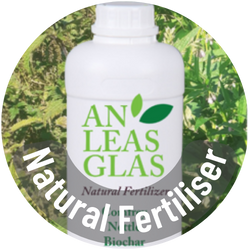
Biochar enhances soil fertility, improves water retention, and supports plant growth. By storing carbon in the soil, it also contributes to climate-friendly farming.

Building Industry
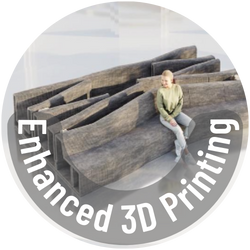
Biochar is being integrated into construction materials for better insulation, moisture control, and sustainability. It helps reduce the carbon footprint of buildings.

Horticulture
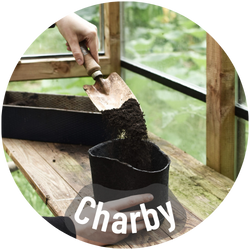
In horticulture, biochar boosts plant health by improving soil structure and nutrient availability. It’s a sustainable alternative to peat-based growing media.

Waste Management
Biochar turns organic waste into a valuable resource. It helps managing landfill waste, captures carbon, and can be used to filter pollutants in composting and wastewater treatment.

Water Purification
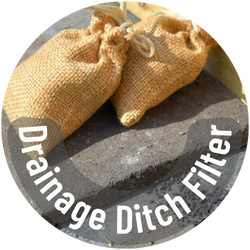
Biochar’s ability to trap contaminants makes it a natural filter for water purification. It’s used to remove pollutants from drinking water, wastewater, and stormwater.
Gallery of EXAMPLE products & projects
Filterable by sector
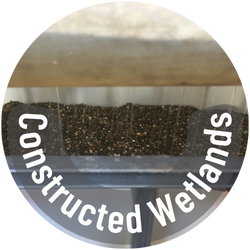
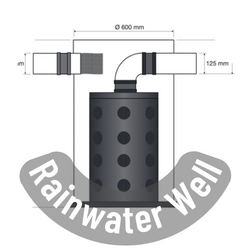
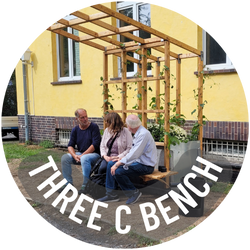
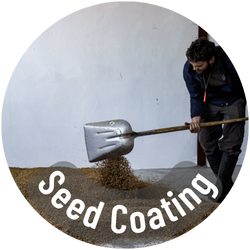
Explore our Interactive Product Gallery. Click through the different application fields—from agriculture to the building industry. Observe how biochar is already being used as a functional material.
- All
- Agriculture
- Building Industry
- Horticulture
- Waste Management
- Water Purification
- Other
Your Turn
Choose one product that fascinates you. Imagine it has become the standard solution in your region by the year 2035.
Write a newspaper headline from the future describing the positive impact this biochar product has had on your local environment or community. What is the one big change people are celebrating?