
Creating The Circular Carbon Economy
Menu
SCENARIO 07
Circular Social Economy
Build inclusive local services around circular biomass and carbon management.
The Challenge
Circular biomass management requires collection, sorting, preparation, logistics and end-use services. These activities can create opportunities for meaningful employment and skills development, but social benefits do not arise automatically. They need to be designed into viable service contracts, supported by appropriate training, supervision and quality assurance.
How the solution works
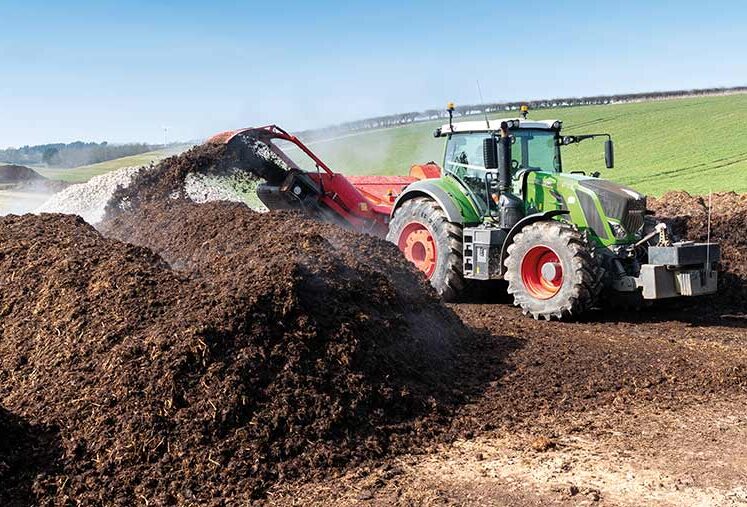
The Flemish approach explores a multi-input/multi-output (Mi-Mo) biomass hub that can receive different local green residues and develop several products and services. Depending on the material, these may include compost, soil improvers, biochar-related applications and other circular outputs. Social enterprises can participate in selected safe and suitable tasks, while specialist operators retain responsibility for technical processes requiring additional expertise.
Where to start and at what scale
A community garden or single service contract is a manageable first step. A local network can combine several biomass and employment activities; a regional hub requires stable supply, demand, governance and financing. The functional perspective is a defined year of environmental and social services, reporting material quantities, products, training and employment outcomes separately.
Material requirements and CASCADE experience
Kiemkracht’s Flemish experience combines ecological landscape management, biomass recovery and social employment. The ILVA Biomass Hub in Schendelbeke/Geraardsbergen is described as an emerging regional model, rather than a fully validated universal template. There is no single biochar quality suitable for every output: each material must meet its intended application requirements. Claimed social returns, carbon savings or carbon-credit revenues need transparent baselines and measured evidence before publication as achieved results.
Recommended first steps
Bring together a municipality, social enterprise and biomass manager to identify one useful service. Define environmental and inclusion objectives, accessible tasks, training needs and supervision. Map biomass inputs and reliable customers. Agree safe procedures, contracts, responsibilities and quality controls. Track material outputs, costs, worker wellbeing, training participation and employment progression. Expand to multiple products only when the initial service is sustainable.
Related applications, calculators & products
Browse biochar applications to find activities that could form part of a local service, such as composting, urban planting or verge management. Use the application calculators to estimate material needs, and visit the Product Exhibition to see examples of products that circular carbon projects can help develop.
Connect with the CCMS
Stakeholder-network analysis, local market assessment and Carbon Manager facilitation can support an inclusive business model and regional action plan. The approach can connect with biodiversity management, urban greening and horticulture. Evidence status: relevant organisational experience and developing hub activities; quantitative triple-impact results require independent verification.