
Creating The Circular Carbon Economy
Menu
SCENARIO 06
Biochar for Agriculture & Horticulture
Match locally produced biochar to a clearly defined soil or growing-media need.
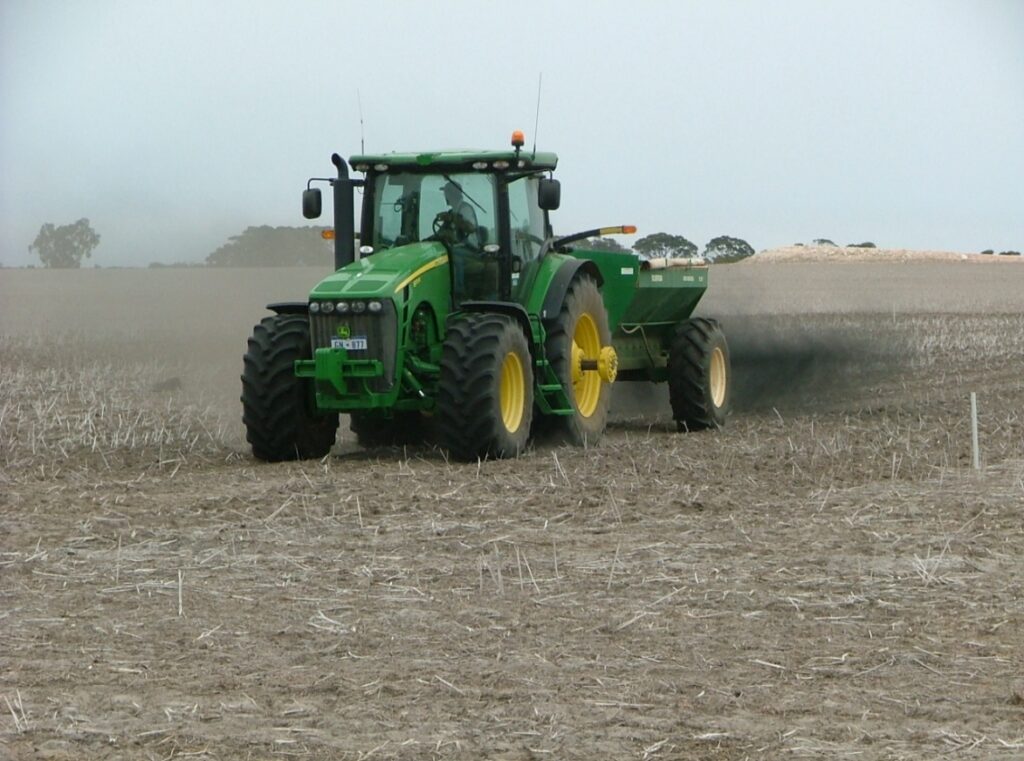
The Challenge
Rural areas often have dispersed woody residues and a demand for more resilient soils, efficient nutrient use and suitable growing media. Biochar can be part of this response, but not every feedstock or biochar batch is appropriate for food production or horticulture. Agronomic benefits must be tested for the target soil, crop and product.
How the solution works
The scenario links locally available woody biomass from forestry, land clearance and vegetation management with controlled biochar production. The resulting material may be used in soil amendments or growing-media blends and, where appropriate, enriched with suitable nutrient-bearing inputs. Decentralised conversion may reduce transport requirements, provided equipment operation, emissions and product quality are managed properly.
Where to start and at what scale
A single farm, community garden or grower provides an accessible starting point; cooperatives or rural service providers can organise larger volumes. Define the service using a crop or soil outcome, such as performance per hectare or per cubic metre of growing medium, and compare with existing practice. Include feedstock sourcing, storage, conversion, testing, enrichment, application and monitoring.
Material requirements and CASCADE experience
The Donegal case investigated biochar made from ash, Sitka spruce, gorse, rhododendron and mature willow. The source report states that four samples met the contaminant criteria tested against its EBC Agro reference values. The willow sample contained 2.0 mg/kg cadmium, above the cited 1.5 mg/kg reference threshold, and requires further investigation before agricultural recommendation. These analytical results are not equivalent to formal product certification. The case also explores seaweed and terrestrial plant extracts as potential enrichment inputs.
Recommended first steps
Choose one biomass stream and one intended agricultural application. Sample and test the feedstock and resulting biochar for contaminants, stability, pH, conductivity and other relevant characteristics. Verify applicable rules for the intended product. Develop a documented blend or charging procedure, then compare it with a control in a crop or growing-media trial. Monitor growth, soil response, costs and unintended effects before commercial scaling.
Related applications & calculators
Explore using biochar directly in soil or adding it to compost or manure. Estimate biochar quantities for a given land area or use the compost and manure calculator to work from the volume you want to treat.
Connect with the CCMS
The CCMS can support biomass availability analysis, grower demand assessment, carbon accounting and local supply-chain planning. A Carbon Manager can convene growers, producers and laboratories. Evidence status: feedstock and material-characterisation results are available; wider crop-performance, commercial and carbon-removal claims require additional field and operational evidence.