
Creating The Circular Carbon Economy
Menu
SCENARIO 03
Biodiversity & Landscape Management
Finance better habitat management through circular biomass valorisation.
The Challenge
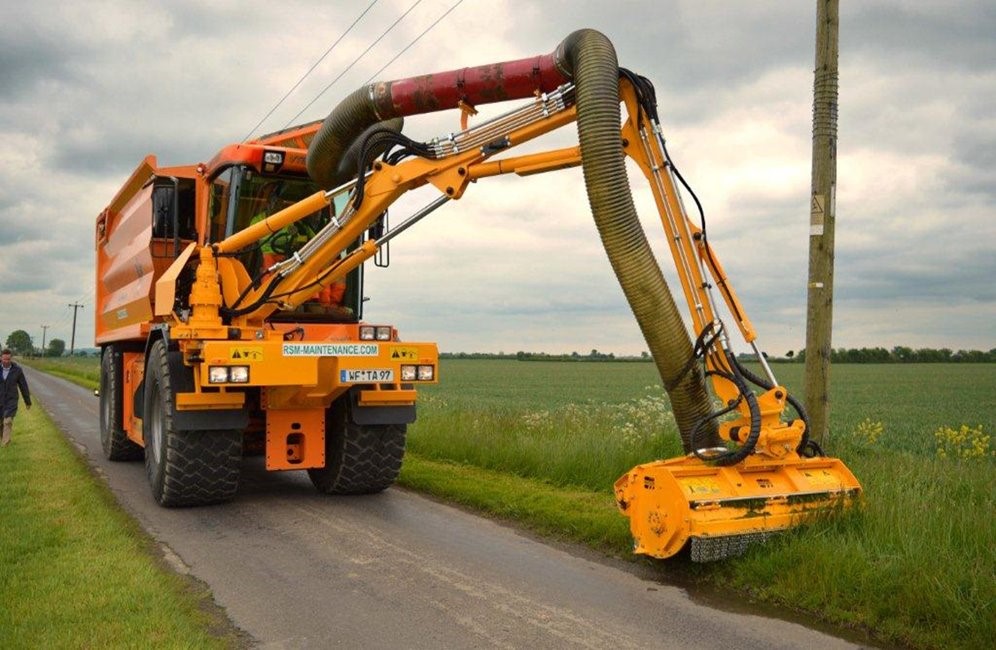
Species-rich peri-urban grasslands need appropriate and sustained management. Where mowing and biomass removal are costly and the cut material has little market value, regular maintenance may become difficult. Insufficient management can contribute to scrub encroachment and the deterioration of open habitats. The opportunity is to link conservation work with an economically useful route for recovered biomass.
How the solution works
Biodiversity benefits are generated primarily by habitat assessment and a suitable mowing regime, not by applying biochar to the habitat. The circular value chain can make this management more viable: biodiversity-adapted mowing is followed by biomass collection, IFBB fractionation and separate valorisation of press juice and press cake. Press juice may support biogas and nutrient-management routes; press cake may be processed into pellets, biochar or activated carbon, subject to suitability.
Where to start and at what scale
Begin with a defined set of municipal or peri-urban grassland sites. The recommended functional unit is one hectare of grassland managed for one year against specified biodiversity objectives, with biomass and product yields reported per hectare. The system boundary covers conservation planning, mowing timing, uncut refuge areas, collection, transport, processing, revenues, costs and habitat monitoring. Regional coordination may be necessary because suitable biomass is seasonal and geographically dispersed.
Material requirements and CASCADE experience
CASCADE’s conceptual pathway connects conservation grassland management to IFBB processing and downstream carbon products. The economic rationale is that a viable biomass outlet may help sustain mowing and removal. Biomass suitability varies with species composition, moisture, minerals, contaminants and season. Any subsequent biochar application requires its own product-quality assessment; habitat value cannot be inferred from carbon yield.
Recommended first steps
Select suitable grassland with conservation specialists and agree measurable habitat objectives. Compare under-management, conventional mowing and disposal, and a recovery-and-valorisation pathway. Estimate realistic biomass quantities, collection windows and transport costs. Identify an IFBB or other suitable processing partner and assess the value of each output. Establish a financing mechanism that supports recurring habitat management and monitor ecological outcomes over several seasons.
Related applications & calculators
Explore how cuttings from roadside verges and public green spaces can be collected and used locally. The calculator estimates biochar output from woody verge cuttings using roadside length, harvesting rate and conversion yield.
Connect with the CCMS
Use stakeholder and causal-loop analysis to understand how maintenance costs, biomass demand and habitat quality interact. Market-analysis tools can identify viable outlets; a Carbon Manager can convene conservation, municipal and processing partners. This scenario can supply biomass to Scenario 2 and connect with social-economy services in Scenario 7. Evidence status: a system-design and market-development recommendation, not proof that biochar itself increases biodiversity.