
Creating The Circular Carbon Economy
BIOCHAR APPLICATIONS / AGRICULTURE
Managing organic residues.
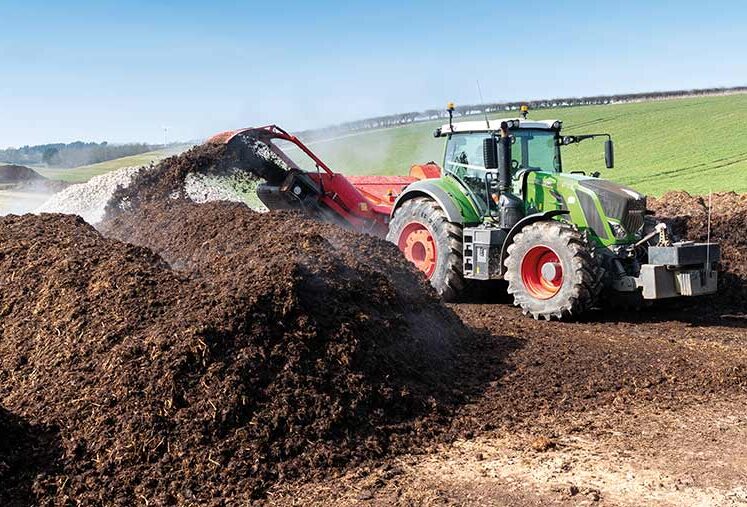
Biochar in compost and manure
Explore what biochar can contribute to compost and farmyard manure, then estimate how much you would need for your batch.
THE APPLICATION AT A GLANCE
What biochar adds to the mix.
How a porous additive can affect nutrient retention, moisture and odour.
Balance the compost ingredients. Most of biochar’s carbon is stable and is not readily available to the organisms that decompose organic matter. Balance the other feedstocks to supply the carbon and nitrogen needed for aerobic composting.
Retain nitrogen in the mix. Biochar’s microporous structure and surface chemistry can bind some nitrogen compounds. This may reduce releases of ammonia and nitrogen oxides and leave more nitrogen in the finished material for plants after soil application.
Manage moisture and odour. Biochar can retain moisture and support microbial and fungal activity. Fungal growth adds biomass during maturation, although the overall change in compost mass depends on the balance of growth, decomposition and moisture. In livestock bedding, biochar may help manage odour and affect populations of harmful bacteria.
01 / NUTRIENTS
Nutrient Retention
Explore whether the finished material can retain more nitrogen for use in soil.
02 / MOISTURE
Moisture Management
Biochar’s pores can help retain water in the mix.
03 / EMISSIONS
Odour & Ammonia
Assess potential reductions in ammonia release and odour under your treatment conditions.
EXPLORE YOUR OWN SCENARIO
How much biochar for your batch?
Enter the volume of compost or manure you want to treat. Start with the existing tool’s example rate or adjust the rate, density and price in Advanced.
COMPOSTING & MANURE TREATMENT CALCULATOR
What to do
Please select the Biochar Type you want to use.
Enter how many cubic metres of compost or manure you want to apply Biochar to.
Than click on the ‘Calculate’ button.
BEFORE YOU APPLY
Start with the mix. Plan for its end use.
Choose a suitable biochar and consider how the finished compost or manure will be managed and used.
Choose a mix of decomposable materials and manage moisture and aeration as the batch matures.
Use biochar appropriate to the intended use. For bedding, assess handling, dust and suitability for the livestock and housing conditions.
Potential animal-health and veterinary-cost effects from bedding depend on conditions. Feed-grade biochar has also been explored as a supplement that passes through the digestive tract and may affect gut or rumen microbes. Feed use requires a suitable product and specialist guidance.
Keep potential ammonia and odour effects during treatment separate from long-term carbon storage. Any storage estimate should account for the eventual use of the finished material, including application to soil.
Measure the starting batch in cubic metres and apply the percentage to that volume. For background on emissions associated with fertiliser production, see the original fertiliser emissions reference.
LOOKING AT THE WHOLE PICTURE
Have biomass of your own?
The production calculator explores how much biochar you could make from your available resources.