
Creating The Circular Carbon Economy
BIOCHAR APPLICATIONS / AGRICULTURE
New potential. From the ground up.
Biochar in agricultural soils
Explore how biochar can support soil management and estimate the quantities and costs for your own area.
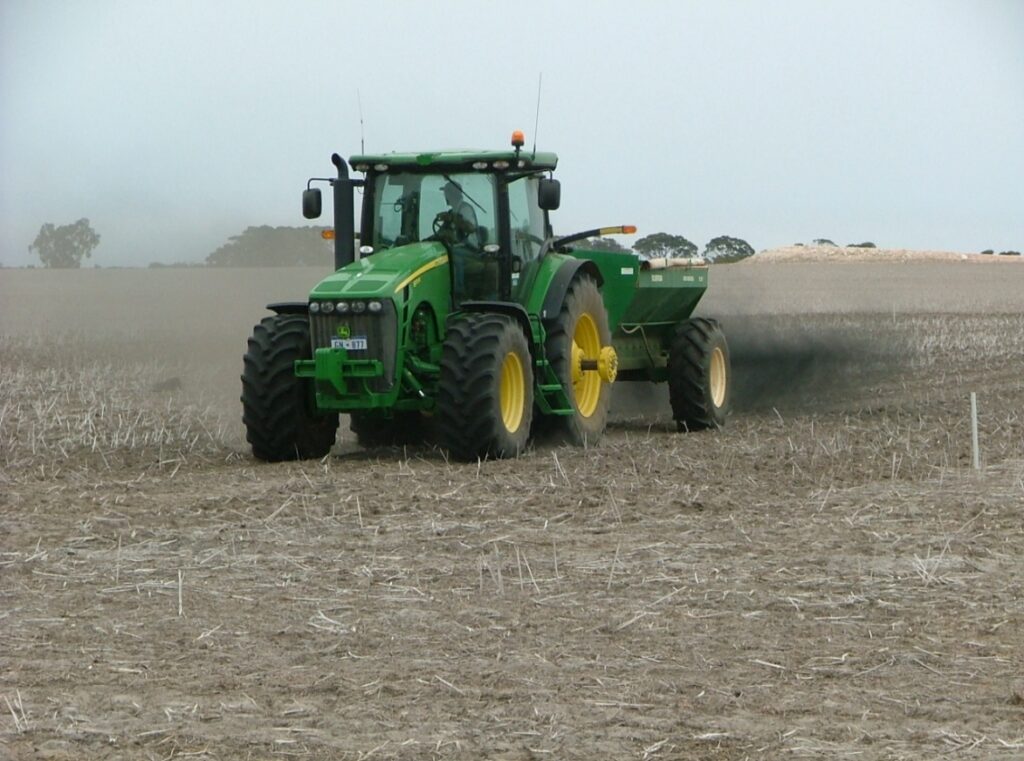
THE APPLICATION AT A GLANCE
A long-term view of soil management.
How biochar can support soil structure, water retention and long-term carbon storage.
How to prepare biomass for application
In fields and grassland. Biochar can be incorporated into soil before planting or applied to established grassland. Its porous structure can help retain water, supporting crops during dry periods. Some biochars can hold up to five times their own weight in water. Water retention in the field varies with the biochar and soil.
Working with living soil. Used alongside compost or other nutrient sources, biochar can support beneficial bacteria and fungi. In these relationships, plants supply sugars and soil organisms help make nutrients available, which can support crop growth and carbon inputs to soil.
Keeping carbon in the ground. One estimate puts retention of solid biochar carbon above 75% after 100 years. Persistence depends on the biochar and soil conditions.
01 / Water
Water retention
Support water-holding capacity and resilience during dry periods.
02 / soil
Soil function
Support soil biology and explore more efficient nutrient use.
03 / Carbon
Carbon storage
Explore the potential for storing carbon in soil over the long term.
EXPLORE YOUR OWN SCENARIO
What would it mean for your land?
Keep the guidance and the numbers together.
Start with your application area, then adjust the assumptions to explore a scenario.
AGRICULTURAL SOILS CALCULATOR
What to do
- Please select the Biochar Type you want to use.
- Enter how many hectares you want to apply Biochar to.
- Then click on the ‘Calculate’ button.
BEFORE YOU APPLY
Context matters. Preparation does too.
How biochar is prepared can influence its effect on plants and nutrients. Plan its use as part of your wider soil management.
Fresh, uncharged biochar can initially bind nutrients from the surrounding soil, potentially limiting their availability to plants. In some settings this may slow crop or grass growth in the first one to two years. Pairing biochar with a nutrient source, such as fertiliser at initial application, can help address this.
Mixing biochar with animal manure or green waste during composting can help charge it with nutrients before it reaches the soil.
Check agricultural suitability and local requirements. One illustrative scenario reduces fertiliser use by 20% each subsequent year until only a residual amount is needed. Actual reductions and any yield gains depend on soil tests, crop needs and field response.
Results are estimates for exploring ideas. Review the rate, price and carbon assumptions alongside site-specific guidance. See fertiliser production emissions for background on the potential emissions effects of reduced fertiliser use.
LOOKING AT THE WHOLE PICTURE
Have biomass of your own?
The production calculator explores how much biochar you could make from your available resources.